Rat extermination service · USA
Rat exterminator in USA
From attic and kitchen infestations to farm buildings and commercial sites, rat control jobs vary across the United States. One phone conversation sorts the job, the quote and the visit time.
Click Here to Call (888) 510-9023A real person answers · No forms · No waiting on a quote email
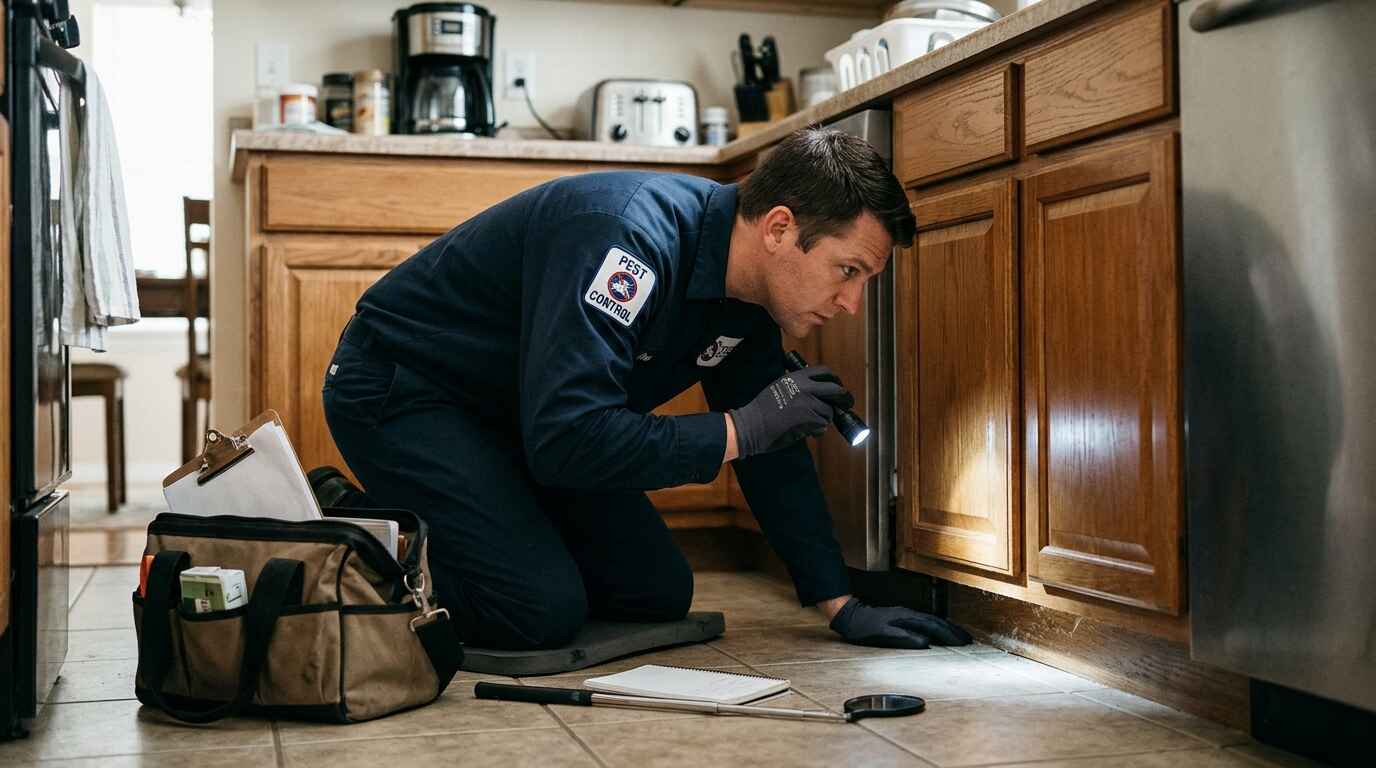
Rat work changes with the region. Frozen ground around North Pole, wet coastal buildings near Fort Myers, desert heat in Kingman, mountain access near Steamboat Springs and older urban construction in Los Gatos all affect inspection and treatment. Distance matters in remote towns, while dense metro properties may require tighter access planning. The property, activity and entry points determine the work on site.
We serve North Pole, Bessemer, Ashdown, Kingman, Los Gatos, Steamboat Springs, Kent, Milton, Fort Myers, Kingsland and 290 more communities. Every town has its own page with local notes on access, permits and timing.
- Sizes
- inspection to exclusion
- Standard rental
- 7 days
- Booking
- By phone
Services
Rat Exterminator Services in USA
Rat control is arranged by phone with a real person, not an online form. The conversation covers where activity is showing, how the building is used, access around the structure and the conditions in your town. A technician can then place the visit into the right service level, from inspection through treatment and exclusion, across residential, rural and commercial properties in the United States.
Residential rat extermination
Residential work covers kitchens, attics, garages, crawlspaces and wall voids, with treatment selected around occupants, pets, food storage and building access.
Rat inspection
An inspection traces droppings, nesting signs, odors, sounds, food sources and openings instead of treating only the room where activity was noticed.
Attic rat control
Attic work checks insulation disturbance, roofline openings, vents and wiring areas, especially in warm Southern homes and older Northern buildings.
Kitchen rat control
Kitchen control focuses on cabinet voids, plumbing penetrations, appliance spaces, stored food and travel routes behind walls or beneath floors.
Rat exclusion
Exclusion closes accessible openings after activity is assessed and controlled, including gaps around pipes, doors, vents, foundations and roof transitions.
Commercial rat control
Commercial visits account for kitchens, warehouses, loading areas, waste storage, tenant access and operating schedules in dense cities and rural facilities.
Follow-up rodent monitoring
Follow-up monitoring checks for continuing signs, new droppings, renewed noise or fresh entry activity after the initial control work.
Rat control across the United States
Click Here to Call (888) 510-9023Sizes
Rat Exterminator Options Available in USA
Cost
What Affects Rat Exterminator Cost in USA
The exact quote depends on location, property size, infestation size, treatment materials, time on site, access and travel distance. A metro town may involve tighter work areas and more building coordination, while a remote town may involve longer travel and different access. Rat control does not use a rental period or included weight, but rental length and weight matter if a separate rental is discussed.
Property and activity
The building type, affected rooms, infestation size, nesting locations and signs of ongoing activity determine how much inspection and treatment work is appropriate.
Access and materials
Attic access, crawlspace clearance, roofline openings, stored goods, food areas and the parts or materials needed for exclusion can change the quote.
Location and distance
A dense metro property, a mountain home and a remote rural building create different travel, parking, access and work-area conditions across the United States.
Visit type
An inspection, targeted treatment, exclusion service or follow-up visit requires a different amount of time and preparation, so the exact quote is given on the phone.
Inspection help for your property
Click Here to Call (888) 510-9023What goes in
Types Of Work We Handle
Rat Infestations
This includes active sightings, droppings, gnawing, nesting, scratching sounds and odors in homes, outbuildings, commercial spaces and agricultural properties.
Rodent Entry Points
Accessible gaps around foundations, vents, doors, roofs, pipes and utility lines can be assessed as routes that let rats enter or leave.
Contaminated Areas
Areas affected by droppings, urine, nesting material or food contact can be identified so treatment planning accounts for the condition of the space.
Not accepted. The service does not cover unrelated wildlife, hazardous cleanup, concealed structural reconstruction or work that cannot be safely reached and assessed.
Projects
Rat Exterminator for Different Projects
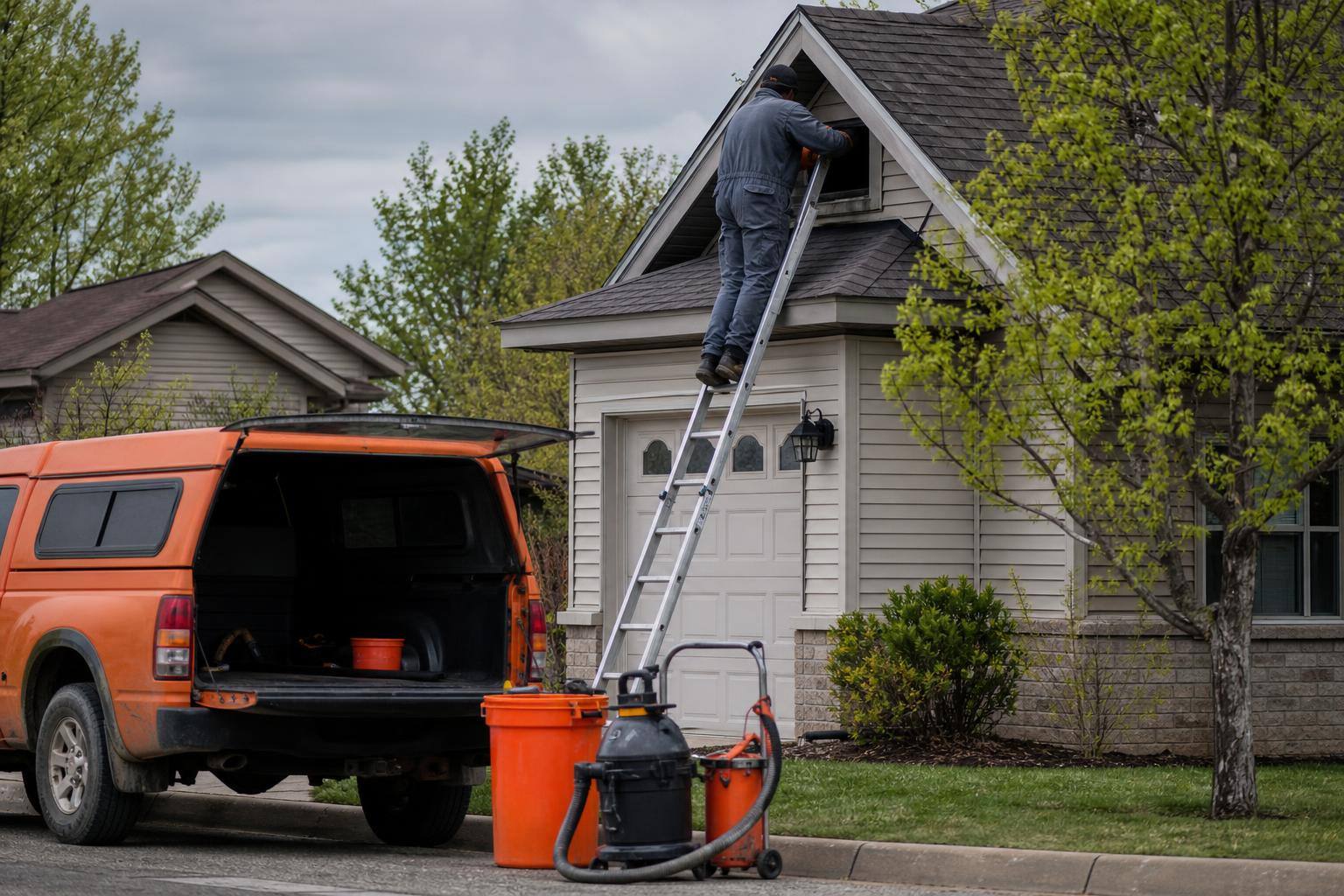
Attic Rat Exterminator
Attic work in cold places such as Duluth and warm areas such as Corpus Christi requires attention to roof gaps, insulation and seasonal movement.
Kitchen Rat Exterminator
Kitchen control in Chicago, Miami and Charleston focuses on plumbing openings, cabinets, appliances, food storage and wall routes.
Garage Rat Exterminator
Garages in rural Montana, suburban New Jersey and Texas may offer sheltered nesting, stored feed, clutter and direct access to the home.
Crawlspace Rat Exterminator
Crawlspace work in Florida, Louisiana and coastal Maryland considers damp ground, low clearance, plumbing penetrations and foundation openings.
Commercial Rat Exterminator
Commercial sites in Columbus, Salt Lake City and Milwaukee require planning around deliveries, food handling, employees, tenants and operating areas.
Rat Exclusion Exterminator
Exclusion in older homes around Providence, Boston or Philadelphia often follows openings at foundations, porches, utility lines and roof transitions.
Emergency Rat Exterminator
Urgent activity in a home or business can be assessed for immediate control needs in places from Alaska to Puerto Rico.
How it works
How Rat Exterminator Works in USA
Call For Inspection
A real person records the property location, building type and reason for concern, then sets the visit time by phone.
Describe The Activity
Have sightings, droppings, noises, odors, damaged materials, affected rooms and possible entry points ready to describe.
Approve The Treatment Plan
The technician explains the suitable visit type and work area, then proceeds after you approve the treatment plan and quote.
Protect The Home
Keep food sealed, reduce accessible clutter, protect children and pets from work areas, and follow the technician's site instructions.
A practical rat control plan
Click Here to Call (888) 510-9023Service area
Rat Exterminator Areas We Serve
Pick your town to see local access, permit and timing notes for rat control in your area.
Alaska
Alaska communities span Anchorage approaches, Interior highways, coastal settlements, and remote homes facing severe seasonal weather.
Alabama
Alabama communities include Birmingham suburbs, inland towns, and Gulf-connected corridors with humid weather and varied housing stock.
Arkansas
Arkansas communities sit among the Ouachitas, timber country, river valleys, and small-town residential corridors.
Arizona
Arizona communities range from Sonoran desert neighborhoods to high desert and Colorado River recreation corridors.
California
California communities cover coastal cities, Bay Area suburbs, Central Valley towns, mountain foothills, and desert communities.
Colorado
Colorado communities connect Front Range suburbs with mountain resorts, high valleys, foothill neighborhoods, and eastern plains.
Connecticut
Connecticut communities span Hartford and New Haven corridors, shoreline towns, wooded suburbs, and established village neighborhoods.
Delaware
Delaware communities include small towns and suburban neighborhoods along the state’s coastal plain and northern transportation corridors.
Florida
Florida communities range from Miami and Gulf Coast metros to inland towns, beach corridors, and humid subtropical neighborhoods.
Georgia
Georgia communities include Atlanta-area suburbs, coastal plain towns, and inland corridors surrounded by forests and farmland.
Iowa
Iowa communities follow Mississippi River towns, central farm country, and established residential corridors near major cities.
Idaho
Idaho communities combine mountain recreation, high desert landscapes, forested valleys, and growing residential corridors.
Illinois
Illinois communities span Chicago suburbs, Mississippi River towns, prairie cities, and established industrial and agricultural corridors.
Indiana
Indiana communities include established suburban neighborhoods, lake country, and transportation corridors across the central Midwest.
Kansas
Kansas communities span prairie towns, agricultural counties, and Kansas City suburban corridors with broad seasonal weather swings.
Kentucky
Kentucky communities include Bluegrass towns, river corridors, and small residential communities surrounded by rolling countryside.
Louisiana
Louisiana communities follow bayous, river corridors, and southern cities where humid weather shapes homes and infrastructure.
Massachusetts
Massachusetts communities range from Boston suburbs to mill towns, western hills, and established coastal New England neighborhoods.
Maryland
Maryland communities cover Baltimore suburbs, Chesapeake Bay shores, Southern Maryland, and wooded neighborhoods along major corridors.
Maine
Maine communities include rocky coastlines, inland lakes, working harbors, and wooded villages with demanding seasonal weather.
Michigan
Michigan communities span Great Lakes shorelines, Detroit suburbs, northern forests, agricultural towns, and inland lake country.
Minnesota
Minnesota communities include Twin Cities outskirts, North Shore routes, prairie towns, and lake-rich northern landscapes.
Missouri
Missouri communities span Ozark recreation country, river cities, Kansas City suburbs, and rural residential corridors.
Mississippi
Mississippi communities include Gulf-adjacent towns, inland cities, and rural neighborhoods shaped by warm, humid weather.
Montana
Montana communities connect mountain valleys, prairie towns, ranch country, and scenic corridors with severe winter conditions.
North Carolina
North Carolina communities range from Triangle suburbs and mountain foothills to Piedmont cities and coastal plain towns.
Nebraska
Nebraska communities include prairie towns, farm country, and growing residential corridors along major highways and rivers.
New Hampshire
New Hampshire communities span southern commuter towns, White Mountain gateways, lakes, forests, and historic village centers.
New Jersey
New Jersey communities include dense suburban corridors, coastal neighborhoods, wooded western towns, and major metropolitan connections.
New Mexico
New Mexico communities combine high desert cities, mountain villages, and dry southern landscapes with distinctive adobe housing.
Nevada
Nevada communities include high desert valleys, mountain basins, and planned neighborhoods shaped by arid climate conditions.
New York
New York communities span Long Island suburbs, Hudson Valley villages, western lake country, and upstate rural corridors.
Ohio
Ohio communities include major inland cities, Appalachian foothills, river towns, and established suburban residential corridors.
Oklahoma
Oklahoma communities span prairie towns, southeastern forests, and growing residential corridors exposed to broad seasonal weather changes.
Oregon
Oregon communities include Cascade foothills, Willamette Valley towns, high desert routes, and wooded coastal ranges.
Pennsylvania
Pennsylvania communities span Philadelphia suburbs, Allegheny towns, lake country, river valleys, and historic residential neighborhoods.
Puerto Rico
Puerto Rico communities include inland mountain towns and eastern residential corridors shaped by tropical weather and terrain.
Rhode Island
Rhode Island communities include compact suburban and coastal neighborhoods connected by short metropolitan travel corridors.
South Carolina
South Carolina communities span Charleston and Midlands corridors, foothill towns, and warm coastal and inland neighborhoods.
South Dakota
South Dakota communities include prairie cities, agricultural country, and open residential corridors with cold windy winters.
Tennessee
Tennessee communities span Smoky Mountain tourism corridors, Nashville suburbs, river valleys, and rolling rural landscapes.
Texas
Texas communities range from Gulf Coast cities and border towns to Hill Country, plains, and fast-growing suburban corridors.
Utah
Utah communities include Wasatch Front cities, mountain valleys, and high desert towns with rapidly changing residential development.
Virginia
Virginia communities span Tidewater, Shenandoah, Piedmont, mountain foothills, and established suburban corridors around major cities.
Vermont
Vermont communities include mountain towns, Connecticut River corridors, and historic villages surrounded by forests and farmland.
Washington & Puget Sound
Washington communities connect Puget Sound suburbs, island routes, inland valleys, and forested agricultural landscapes.
Wisconsin
Wisconsin communities span Milwaukee suburbs, lake country, prairie towns, and rural corridors with cold snowy winters.
West Virginia
West Virginia communities include Appalachian valleys, river towns, and established neighborhoods surrounded by steep wooded terrain.
Don't see your town? Call and ask.
Click Here to Call (888) 510-9023Why us
Why Call a Rat Exterminator in USA?
Rat behavior and building access change sharply across the United States. Frozen soil and long winter sheltering affect work in Maine, Minnesota and Alaska, while humidity and crawlspaces matter in Florida, Louisiana and coastal South Carolina. Desert properties around Arizona and Nevada often have different roofline, foundation and water-source conditions than wooded homes in Pennsylvania or New England.
Distance and construction also shape the visit. Mountain towns such as Aspen, McCall and High Rolls Mountain Park may have difficult approaches, while dense areas such as Chicago, Miami and New York suburbs can limit parking and exterior access. Farm buildings, lake homes, student rentals and older row-style properties each need a different inspection path.
How much does rat extermination cost in the United States?
Rat extermination cost depends on the property, infestation size, affected areas, access, materials, time on site and travel distance. A targeted treatment is different from an inspection or exclusion service. The exact quote is given on the phone after the property and activity are described.
Which rat control visit fits my problem?
An Inspection Visit fits uncertain activity, a Targeted Treatment fits active rat signs, and an Exclusion Service fits accessible entry points after activity is assessed and controlled. The technician can match the visit to an attic, kitchen, garage, crawlspace or commercial property.
How soon can someone come for rat control?
The visit time is set on the phone after the location, building type and urgency are reviewed. Same-day or next-day availability can be asked about, but arrival is not promised until the visit is scheduled.
What does a rat control visit cover?
A rat control visit can identify activity, entry points, food sources and affected areas, then address active activity or accessible openings as appropriate. It does not include unrelated wildlife, unsafe concealed work, hazardous cleanup or structural reconstruction outside the control plan.
Do I need a permit or inspection for rat extermination?
Permit or inspection requirements depend on the property and local authority, especially when exterior openings, historic buildings or structural changes are involved. Ask the city or county government about local approval before exclusion work that changes the building envelope.
Does the technician need access to my whole home?
The technician needs access to the areas connected to the reported activity and possible entry routes. That may include an attic, kitchen, garage, crawlspace, exterior foundation or roofline, so clear paths and identify locked areas before the visit.
Can rat control be done during winter or bad weather?
Rat control can often be planned during winter or weather changes, but exterior inspection and exclusion depend on safe access and site conditions. Frozen ground in Minnesota, snow in Vermont or heat in Arizona may affect the work area and visit timing.
What should I have ready when calling about rats?
Have the property address, building type, rooms affected, recent sightings, droppings, noises, odors, damage, pets, children and access concerns ready. Photos can help explain activity, but the technician may still need an on-site inspection.
Does rat extermination include sealing every hole?
Rat extermination does not automatically include sealing every opening. Exclusion is a separate service level for accessible entry points identified after activity is assessed and controlled, while concealed or structural openings may require other work.
Can you treat an attic, kitchen, garage and crawlspace?
Yes, those areas can be considered for rat control when they are accessible and connected to the activity. The technician checks travel routes, food sources, nesting signs, plumbing penetrations, vents and building openings before selecting the appropriate visit.
Do you serve rural properties and commercial buildings?
Yes, service reaches rural properties, homes, farms, shops, warehouses and commercial buildings across the listed United States service areas. Remote distance, acreage, loading areas, tenants and operating schedules are reviewed when the visit is arranged.
Which parts of the United States do you serve?
Service is available across the United States in the listed towns and regions, including Alaska, the lower forty-eight states, Puerto Rico and Washington's Puget Sound area. Select your town for local access, permit and timing information, then have the property details ready by phone.
United States attic rat service
Click Here to Call (888) 510-9023